
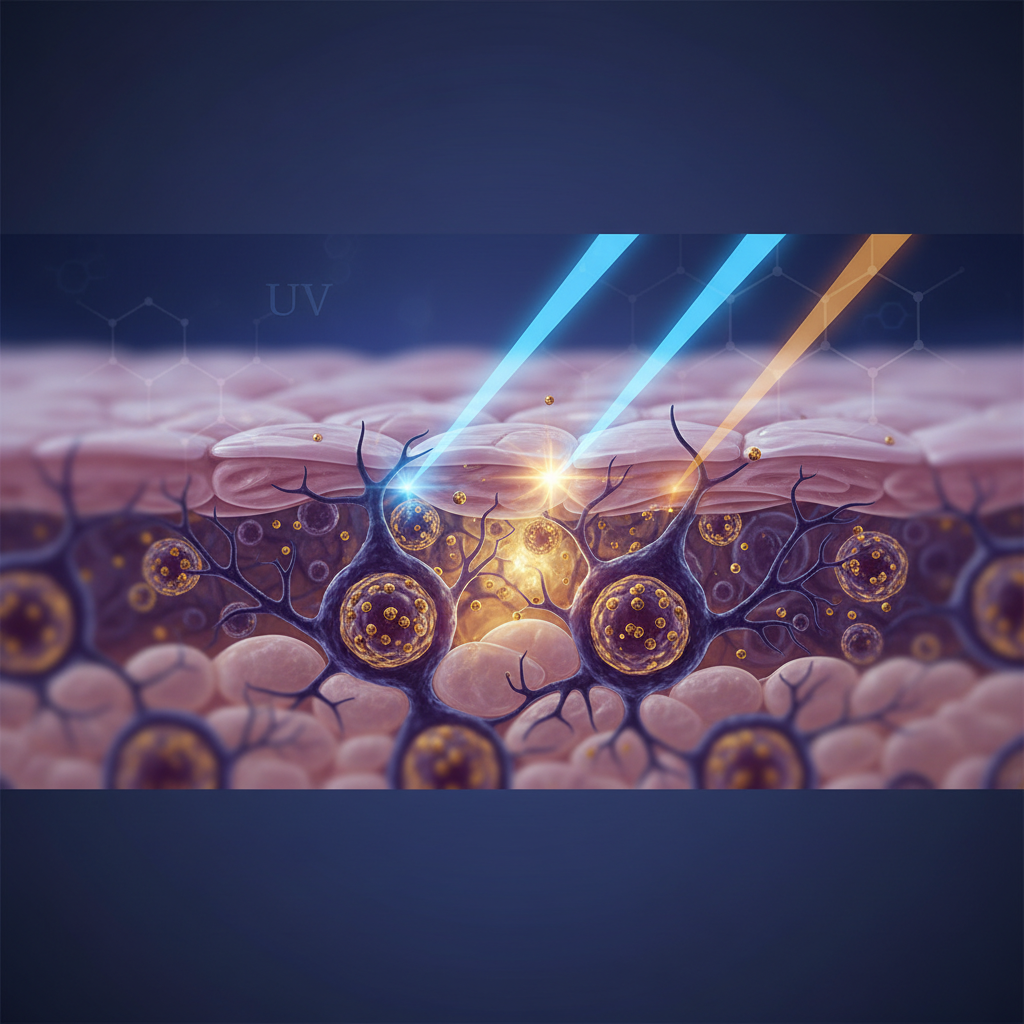
Introduction to Melanotan II in Pigmentation Biology
Melanotan II (MT-II) is a synthetic cyclic heptapeptide analogue of α-melanocyte-stimulating hormone (α-MSH), a naturally occurring neuropeptide derived from the proopiomelanocortin (POMC) precursor protein. Since its initial synthesis at the University of Arizona in the 1980s, MT-II has become an extensively studied research tool in the field of melanocortin signaling, particularly in the context of cutaneous pigmentation mechanisms and ultraviolet (UV) radiation response models.
MT-II is supplied exclusively for laboratory and preclinical research purposes. All findings referenced herein pertain to in vitro and in vivo animal model studies. This compound is not approved for human use, and nothing in this article constitutes a clinical or therapeutic recommendation.
The Melanocortin Receptor System: A Primer
The melanocortin system comprises five G protein-coupled receptors (MC1R–MC5R), each with distinct tissue expression profiles and downstream signaling roles. Of particular relevance to pigmentation research is MC1R, predominantly expressed on epidermal melanocytes. Activation of MC1R by endogenous α-MSH or exogenous analogues triggers a cAMP-mediated signaling cascade, culminating in the upregulation of microphthalmia-associated transcription factor (MITF) and subsequent promotion of eumelanin synthesis.
MT-II demonstrates high binding affinity across multiple melanocortin receptor subtypes (MC1R, MC3R, MC4R, and MC5R), distinguishing it from more selective endogenous ligands. This broad-spectrum receptor engagement makes MT-II a valuable pharmacological probe in receptor characterization studies and signal transduction research.
MT-II and MC1R Activation: Mechanistic Insights from Preclinical Models
Research investigating MC1R activation by MT-II has consistently demonstrated robust stimulation of melanogenesis pathways in cell-based assays. Key mechanistic findings from the preclinical literature include:
- Adenylyl cyclase activation: MT-II binding to MC1R stimulates adenylyl cyclase, elevating intracellular cyclic AMP (cAMP) concentrations, which in turn activate protein kinase A (PKA) and downstream MITF transcription.
- Tyrosinase upregulation: Studies in murine melanocyte cultures report significant increases in tyrosinase activity — the rate-limiting enzyme in melanin biosynthesis — following MT-II exposure, consistent with enhanced eumelaninogenic output.
- Eumelanin vs. Phaeomelanin shift: Data from pigmentation models indicate that MC1R agonism by MT-II preferentially drives eumelanin (brown/black pigment) production over phaeomelanin (red/yellow), a shift considered relevant to photoprotection research given eumelanin's superior UV-absorbing properties.
A landmark study by Hadley and Dorr (2006) provided a comprehensive review of melanocortin receptor agonist pharmacology, positioning MT-II as a foundational tool for dissecting MC1R-mediated signaling in both pigmentation and non-pigmentation contexts.
Pigmentation Research and UV Protection Models
One of the most scientifically compelling areas of MT-II investigation involves its use in in vivo models designed to study photoprotective mechanisms. UV radiation, particularly UVB (280–315 nm), is a well-established inducer of DNA photoproducts such as cyclobutane pyrimidine dimers (CPDs). The relationship between melanin density and UV attenuation within the epidermis forms a core premise of photoprotection biology.
Preclinical studies in rodent and Xenopus laevis models have demonstrated that exogenous administration of MT-II produces dose-dependent increases in melanin content and distribution within melanocytes. Investigators have employed these models to evaluate:
- The kinetics of melanocyte activation and melanin granule translocation following MC1R stimulation.
- Quantitative relationships between induced eumelanin levels and measurable UV absorbance in ex vivo skin preparations.
- The modulation of UV-induced inflammatory markers (e.g., prostaglandin E2, IL-6) in melanocyte co-culture systems following MC1R pre-stimulation.
Research by Böhm et al. (2005) investigated the role of α-MSH analogues in modulating UV-induced immune suppression in murine models, observing potential immunomodulatory effects at the level of cutaneous antigen-presenting cells — an area of ongoing mechanistic inquiry.
MT-II as a Research Tool: Receptor Selectivity and Probe Value
Beyond pigmentation biology, MT-II's broad melanocortin receptor affinity profile renders it a useful comparative probe in studies exploring:
- MC3R and MC4R roles in energy homeostasis and hypothalamic signaling research.
- MC5R involvement in exocrine gland function and sebogenesis models.
- Structure-activity relationship (SAR) studies aimed at developing more receptor-selective melanocortin ligands with refined pharmacological profiles.
The availability of well-characterized, research-grade MT-II with confirmed purity (≥98% by HPLC) is essential for reproducible data generation in these research contexts. Variability in peptide quality represents a significant confounding factor in melanocortin receptor research, underscoring the importance of sourcing from verified, research-grade suppliers.
Current Research Gaps and Future Directions
Despite a substantial body of preclinical evidence, several key questions remain open in the MT-II and melanocortin pigmentation literature:
- The precise interplay between MC1R-mediated signaling and the DNA damage response in UV-exposed keratinocyte-melanocyte co-culture systems warrants further mechanistic characterization.
- Translational models bridging rodent pigmentation data to human epidermal equivalents remain an active area of development.
- The temporal dynamics of melanin induction relative to UV exposure windows are not fully resolved in existing models.
"The melanocortin system represents one of the most tractable molecular targets for understanding the interface between pigmentation biology and photoprotective physiology. MT-II remains an indispensable pharmacological probe for dissecting this axis at the preclinical level."
Research Compliance Notice
Melanotan II is classified as a research chemical for laboratory use only. It is not approved by the FDA or any equivalent regulatory body for therapeutic, cosmetic, or human consumption purposes. All referenced studies were conducted under appropriate institutional and regulatory oversight. Researchers intending to utilize MT-II in preclinical investigations should ensure full compliance with applicable institutional review processes, animal use protocols, and local regulatory frameworks governing investigational compounds.