
Resources & Insights
Research articles, industry news, and expert insights from the RP Wellness team.


GLP-1 Supply Stabilization Triggers Tightened Compounding Oversight
Following the resolution of GLP-1 shortages, the agency has signaled a shift toward stricter policy enforcement for compounders while continuing to prioritize quality control measures. This transition occurs alongside heightened scrutiny of state-level facilities, underscored by a recent glutathione endotoxin recall.

BPC-157 and GLP-1 Peptide Compliance Shifts Under New State-Level Regulatory Mandates
State pharmacy boards in California, Texas, Florida, New York, and Ohio have introduced rigorous new compounding requirements for peptide inventory. These standards necessitate that multi-state suppliers and pharmacies overhaul their quality assurance workflows to meet increasingly localized regulatory benchmarks.

Can U.S. 503A Compounding Safeguard Peptide Supply Chains?
The Precision Peptide Company has moved to 100% domestic sterile compounding to align with 503A standards as federal regulators intensify scrutiny of telehealth and supply chain integrity.

Semaglutide, Tirzepatide, and Retatrutide Vendors Face FDA Compliance Enforcement
The FDA issued a warning letter to Peptide Partners LLC for marketing research-use-only chemicals with unapproved therapeutic claims. This enforcement action highlights federal scrutiny regarding the labeling and sale of GLP-1 analogues outside of authorized drug channels.

What Does Clint Narver’s Appointment Mean for Future GLP-1 Compounding Enforcement?
The FDA has installed former DOJ prosecutor Clint Narver to lead its Compounding Compliance Office while simultaneously proposing a permanent ban on the use of bulk drug substances for GLP-1 compounding. These concurrent actions signal an intensified, legally-focused regulatory strategy aimed at eliminating long-term compounding pathways for weight-loss agents.

Fifth Circuit Ruling Closes Compounding Path for Semaglutide and Tirzepatide
The U.S. Court of Appeals for the Fifth Circuit upheld the FDA's decision to remove GLP-1 medications from the national drug shortage list, effectively ending the legal basis for compounding pharmacies to manufacture copycat versions. This regulatory shift is expected to heighten federal enforcement scrutiny on research-use-only supply chains and unauthorized chemical distribution.

Biologic Reclassification Strategies Threaten Future Compounding of Weight-Loss Peptides
Pharmaceutical manufacturers are seeking to classify next-generation weight-loss peptides as biologics in upcoming regulatory filings to block compounding pharmacies from producing legal alternatives. This shift, combined with intensified federal litigation, aims to eliminate gray-market distribution before the anticipated commercial launch of new pipeline molecules in 2027.

Retatrutide Research Samples Under Scrutiny Following Efficacy Data Gaps
Recent findings show unauthorized retatrutide variants underperform against official clinical trial benchmarks, coinciding with intensified state-level oversight of non-regulated drug channels. These developments signal a heightened regulatory focus on maintaining stringent research-use-only standards for all peptide suppliers.

Telehealth Compounding Models Face Data and Marketing Scrutiny
Following FTC litigation against Hims & Hers, telehealth platforms face intensified scrutiny over consumer data-sharing and subscription practices. This enforcement trend signals that research-chemical and compounding suppliers must prioritize digital compliance alongside traditional regulatory standards.
Peptide Compounding Oversight and Retatrutide Enforcement Intensify
A watchdog group has requested an HHS investigation into potential conflicts of interest within the Pharmacy Compounding Advisory Committee following July 2026 votes on BPC-157 and other peptides. Concurrently, increased international enforcement and federal litigation surrounding GLP-1 analogs and research chemicals are forcing shifts in the supply chain for industry vendors.

Eli Lilly Retatrutide Lawsuits Challenge Research Use Only Labeling
Eli Lilly filed federal lawsuits on August 12, 2026, targeting vendors accused of marketing unapproved retatrutide as research chemicals. The outcome of these cases will determine the legal validity of using 'research use only' designations to facilitate the sale of investigational metabolic peptides.
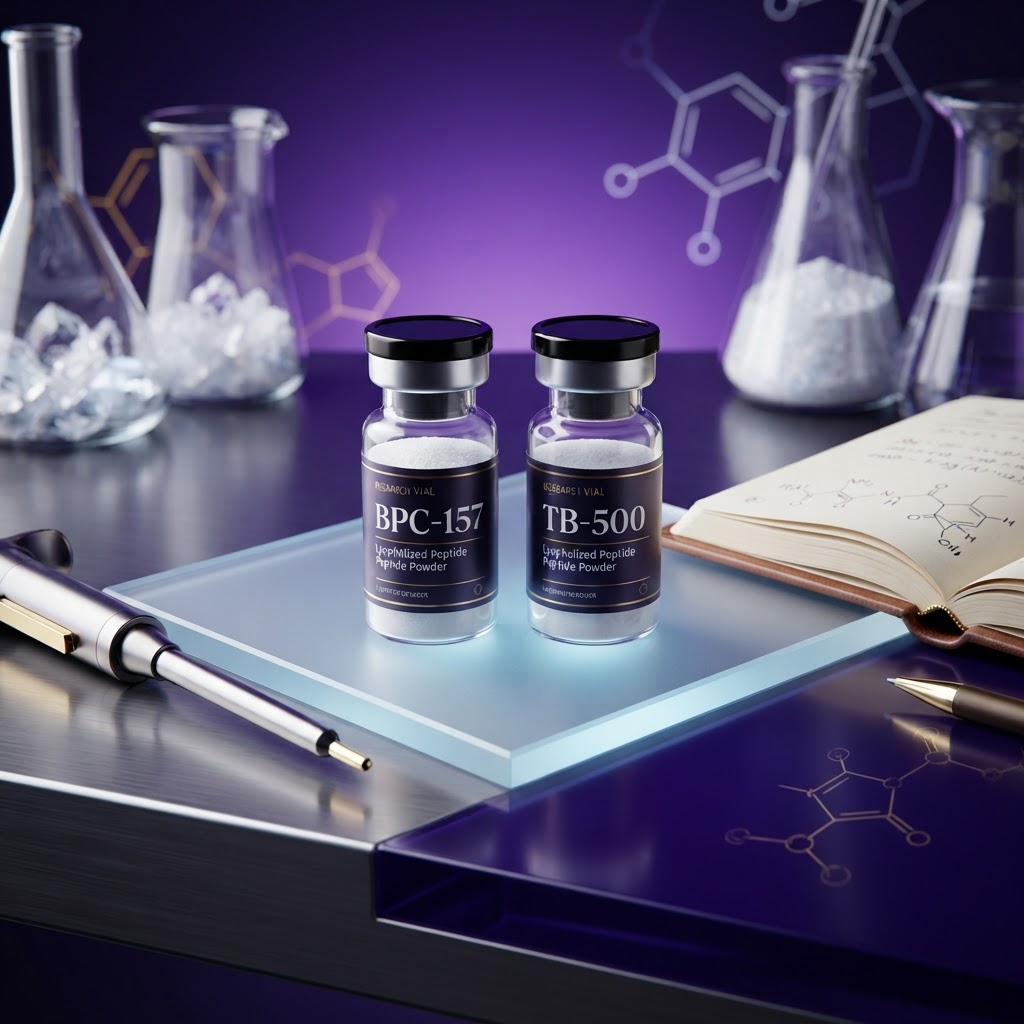
Peptide Synergy in Research: How Multi-Peptide Combinations Are Changing the Lab
Peptide synergy research is opening new doors in laboratory science, revealing how compounds like BPC-157 and TB-500 may interact across overlapping biological pathways. Discover what researchers are learning and why multi-peptide study designs are gaining traction.
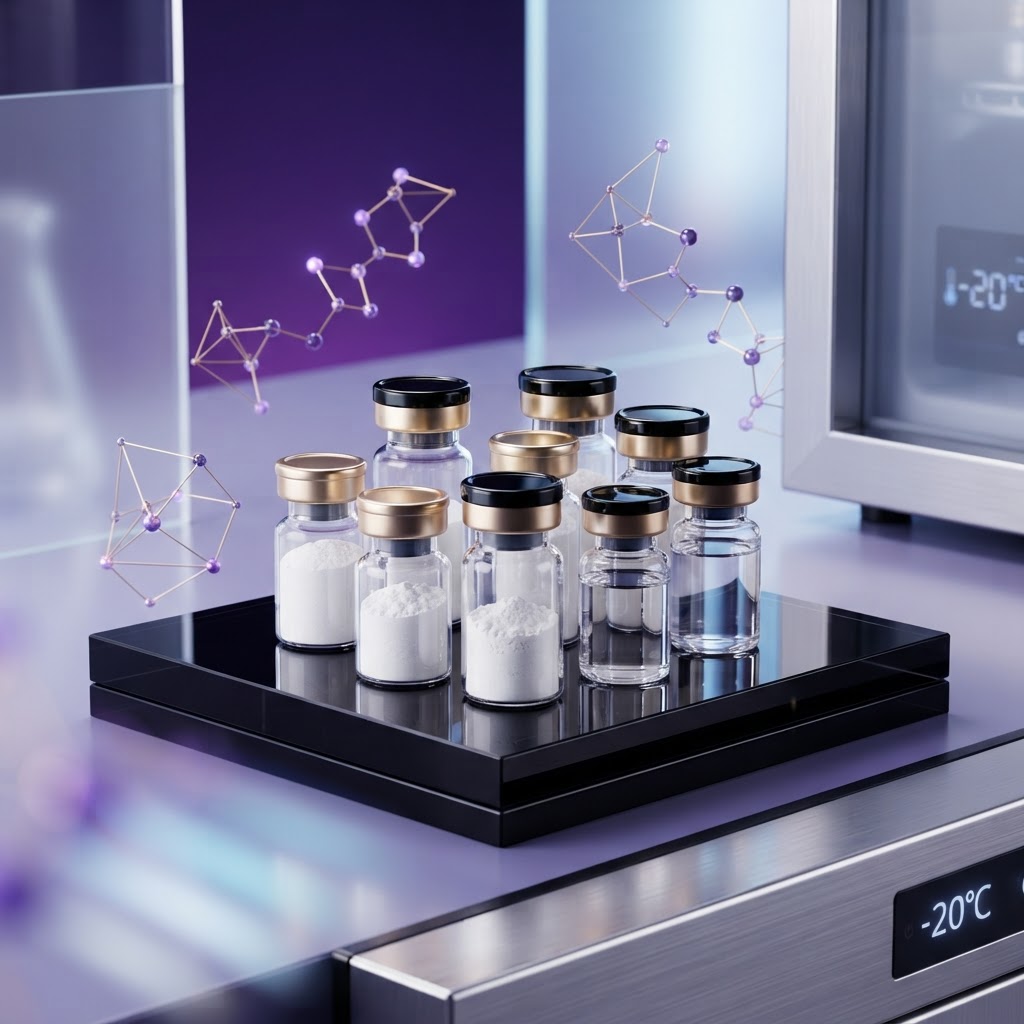
Does Peptide Potency Degrade at Room Temperature? A Researcher's Complete Storage Guide
Peptide potency can degrade significantly at room temperature — sometimes within hours. This comprehensive guide breaks down the science of peptide stability across storage states, temperatures, and timelines so researchers can protect the integrity of their materials.

Peptide Reconstitution Guide: How to Properly Prepare Lyophilized Peptides for Research
Reconstituting lyophilized peptides correctly is one of the most critical steps in any peptide research workflow. This comprehensive guide walks laboratory researchers and biohackers through sterile technique, solvent selection, correct dilution ratios, and how to avoid peptide degradation during mixing.

FDA Advisory Panel Votes to Loosen Restrictions on BPC-157, TB-500, and Other Peptides
In a narrow vote, an FDA advisory committee recommended allowing compounding pharmacies to produce several previously restricted peptides, signaling a potential regulatory shift supported by Health Secretary Robert F. Kennedy Jr.

How Long Does Reconstituted Peptide Last in the Fridge? A Researcher's Complete Stability Guide
Peptide stability is one of the most overlooked variables in research reproducibility. This guide breaks down exactly how long reconstituted peptides last in the fridge, the best way to store lyophilized powder, and whether light exposure affects peptide integrity — all backed by peer-reviewed standards.

FDA Advisory Panel Narrowly Backs Compounding for Six Peptides, Including BPC-157
In a significant shift for the compounding and peptide industry, an FDA advisory committee has voted against agency staff recommendations, advising that six peptides be added to the 503A bulk compounding list amid political pressure from HHS leadership.

FDA Advisory Panel Narrowly Backs Compounding for Six Peptides, Including BPC-157
In a significant shift, an FDA advisory committee voted against staff recommendations to support adding six peptides to the 503A bulk compounding list, signaling potential regulatory easing under HHS Secretary Robert F. Kennedy Jr.

FDA Advisory Panel Recommends Loosening Restrictions on Key Peptides Amid Ongoing 'Research Use Only' Enforcement
An FDA advisory committee voted in late July 2026 to recommend adding six peptides, including BPC-157 and TB-500, to the 503A bulks list. Meanwhile, recent FDA warning letters emphasize that 'Research Use Only' disclaimers do not protect vendors if marketing implies human use.

How Long Are Peptides Stable After Reconstitution? A Researcher's Complete Stability Guide
Reconstituted peptides don't last forever — and improper storage can quietly compromise your research before you realize it. This comprehensive guide breaks down exactly how long peptides remain stable after reconstitution, how light exposure affects peptide integrity, and the key differences between lyophilized and reconstituted storage protocols.

FDA Advisory Panel Recommends Easing Peptide Restrictions as Tirzepatide Shortage Resolves
A recent FDA advisory committee vote favors adding select peptides to the 503A bulks list, while the agency officially declares the tirzepatide shortage over, signaling a shift in compounding allowances.

FDA Advisory Panel Recommends Relaxing Compounding Rules for Select Peptides Amid GLP-1 Supply Stabilization
An FDA advisory committee has voted to support lifting compounding restrictions on specific unapproved peptides, including Epitalon and Semax, while the FDA issued new guidance clarifying compounder policies following the resolution of the tirzepatide shortage.

FDA Issues New Guidance on GLP-1 Compounding as Supply Stabilizes; Import Alerts Target Research Chemicals
The FDA has released updated policy clarifications for 503A and 503B compounders regarding GLP-1 medications as national shortages ease. Meanwhile, recent regulatory analyses highlight ongoing import alerts affecting peptide research chemicals and the fallout from July's controversial FDA advisory committee vote.

FDA Signals End to GLP-1 Shortages, Tightens Compounding Rules
The FDA issued new guidance on August 4, 2026, clarifying policies for 503A and 503B compounders as the national GLP-1 supply stabilizes, signaling a potential end to shortage-exempt compounding.
FDA Resolves Tirzepatide Shortage as Industry Awaits Final Word on Peptide Compounding
The FDA has officially declared the tirzepatide shortage resolved, impacting compounding pharmacies, while telehealth providers navigate patient confusion following a recent advisory panel vote on research peptides.

FDA Advisory Panel Backs Six Peptides for Compounding Amid Broader Regulatory Scrutiny
In a historic and controversial vote, the FDA's Pharmacy Compounding Advisory Committee recommended adding six unapproved peptides to the 503A Bulks List, while the agency continues strict enforcement against "research use only" vendors and compounded GLP-1s.

FDA Advisory Panel Backs 503A Compounding for Six Peptides Amidst Intense Regulatory Scrutiny
Despite safety objections from FDA scientists, the Pharmacy Compounding Advisory Committee has recommended adding peptides like BPC-157 and TB-500 to the 503A bulks list. However, legal experts warn that immediate compounding remains unauthorized pending formal rulemaking, and FDA enforcement against non-compliant marketing remains fierce.

FDA Advisory Panel Backs 503A Compounding for Six Peptides Amid Broader GLP-1 Scrutiny
A controversial FDA advisory panel recommendation to allow 503A compounding of popular research peptides like BPC-157 is stirring the industry, even as regulators intensify crackdowns on compounding pharmacies and telehealth platforms over unsanitary conditions and misleading GLP-1 marketing.

FDA Advisory Panel Defies Staff, Backs Six Popular Peptides for 503A Compounding
In a closely watched and surprising split vote, the FDA’s Pharmacy Compounding Advisory Committee (PCAC) recommended adding six research peptides—including BPC-157 and TB-500—to the 503A bulks list, potentially paving the way for legal pharmacy compounding.
FDA Panel Defies Staff to Recommend Six Peptides for 503A Bulks List Amid Rising Market Scrutiny
In a surprise split vote, the FDA’s Pharmacy Compounding Advisory Committee (PCAC) backed BPC-157 and five other peptides for compounding, while insurers flag mounting liability risks for "research-use-only" chemical suppliers.

FDA Advisory Committee Recommends Six Peptides for Compounding Amid Legal and Political Scrutiny
The FDA's Pharmacy Compounding Advisory Committee has officially recommended six peptides for the 503A Bulks List, prompting legal advisories for pharmacies to await formal rulemaking before compounding.
FDA Advisory Panel Backs Six Peptides for Compounding While GLP-1 Litigation Swells
In a major regulatory shift, the FDA's Pharmacy Compounding Advisory Committee narrowly voted to add six previously restricted peptides to the 503A Bulks List. Meanwhile, GLP-1 manufacturers face nearly 4,000 lawsuits over undisclosed side effects, and the FDA is intensifying its crackdown on GLP-1 compounding as supply shortages resolve.

Major Shift: FDA Advisory Committee Recommends Six Peptides for 503A Compounding, Sparking Industry Overhaul
In a historic and contentious vote spanning July 23-24, 2026, the Pharmacy Compounding Advisory Committee recommended adding BPC-157, TB-500, and four other peptides to the 503A Bulks List, signaling a potential path from the "research chemical" gray market to legal clinical access.
FDA Advisory Panel Backs Six Peptides for Compounding Amid Growing Market Pressure
Following a pivotal late-week vote by the FDA’s Pharmacy Compounding Advisory Committee, six popular peptides may soon be legally compounded by 503A pharmacies, signaling a major regulatory shift backed by HHS leadership.

FDA Advisory Committee Defies Agency Scientists, Backs Six Peptides for 503A Compounding
In a major industry shift, an FDA advisory panel voted to recommend easing compounding restrictions on popular wellness peptides like BPC-157 and Semax, setting up a regulatory clash amidst ongoing agency enforcement against 'research-use-only' gray markets.

FDA Advisory Panel Bucks Staff, Votes to Loosen Restrictions on Popular Peptides
In a highly unusual move reflecting shifting political winds, an FDA advisory committee voted to recommend removing compounding restrictions on six popular peptides—including BPC-157 and TB-500—despite strong safety warnings from agency scientists.

FDA Advisory Panel Defies Agency Scientists, Recommends Six Peptides for Compounding
In a landmark two-day meeting concluding July 24, an FDA advisory committee voted to recommend adding six popular peptides—including BPC-157 and TB-500—to the 503A compounding list, signaling a potential regulatory shift driven by HHS Secretary Robert F. Kennedy Jr.

FDA Advisory Panel Defies Agency Scientists, Recommends Four Peptides for Compounding Access
In a major potential shift for the peptide industry, the FDA's Pharmacy Compounding Advisory Committee voted 8-6 this week to recommend allowing compounding pharmacies to produce BPC-157, KPV, TB-500, and MOTS-c, despite strong objections from career FDA scientists.

High-Stakes FDA Committee Meets Today to Decide Fate of 7 Peptides Amid Regulatory and Legal Shifts
As the FDA’s Pharmacy Compounding Advisory Committee convenes to review BPC-157, TB-500, and others, intense pressure from telehealth platforms, HHS leadership, and FDA scientists sets the stage for a dramatic market shift, while GLP-1 litigation heats up.

FDA Panel Set for "Peptide Liberation Day" Showdown as Agency Scrutinizes Compounding Loopholes
The upcoming July 23-24 FDA Pharmacy Compounding Advisory Committee meeting will weigh the fate of seven popular peptides, while a new JAMA study highlights aggressive compounding workarounds for GLP-1 drugs amidst heightened gray market scrutiny.

High-Stakes FDA Committee Meets Tomorrow on BPC-157; GLP-1 Clinics Skirt Duplication Bans
The FDA's Pharmacy Compounding Advisory Committee (PCAC) convenes July 23-24 to determine the compounding fate of seven popular peptides, while a new JAMA study reveals compounders are adding vitamins to GLP-1s to bypass FDA duplication restrictions.

RP Wellness Daily Briefing: FDA Panel Set to Vote on 7 Peptides While Telehealth GLP-1 Enforcement Heats Up
As the FDA's Pharmacy Compounding Advisory Committee (PCAC) prepares to vote on the compounding status of seven high-profile peptides on July 23-24, the industry faces mounting regulatory pressure following a new wave of FDA warning letters targeting telehealth compounding practices.

Regulatory Watch: FDA Preps for Landmark Peptide Advisory Meeting as GLP-1 Crackdowns Intensify
As the FDA prepares to convene its Pharmacy Compounding Advisory Committee this week to review the compounding eligibility of seven major peptides, scrutiny on gray-market 'research chemicals' and compounded GLP-1s is reaching a boiling point.

FDA Escalates 'Research Only' Crackdown as Advisory Committee Prepares Key Vote on BPC-157
Federal agencies are intensifying enforcement against peptide suppliers misusing 'Research Use Only' labels for GLP-1s, while the FDA's Pharmacy Compounding Advisory Committee faces scrutiny ahead of a pivotal July 2026 meeting on restricted peptides.

FDA Faces Internal Backlash Over Upcoming Peptide Compounding Advisory Panel
Ahead of next week's highly anticipated Pharmacy Compounding Advisory Committee (PCAC) meeting, FDA career scientists are clashing with HHS leadership over the safety of seven controversial peptides and alleged panelist conflicts of interest.

FDA Scientists and Pharmacists Push Back as Peptide Compounding Showdown Looms
Just days before a critical advisory committee vote on 503A compounding, the American Pharmacists Association opposes adding new peptides to the approved list, while FDA career scientists clash with HHS leadership over safety data and alleged panel conflicts of interest.

FDA and HHS Clash Over Peptide Approvals as GLP-1 Enforcement Crackdown Intensifies
Internal FDA conflict-of-interest disputes shadow next week's crucial advisory meeting on compounding peptides like BPC-157 and TB-500, while aggressive federal and state enforcement actions hit peptide suppliers and telehealth compounders.

FDA Scientists Push Back on Peptides Ahead of Crucial Advisory Meeting; GLP-1 503B Crackdown Escalates
Ahead of the pivotal July 23-24 FDA Pharmacy Compounding Advisory Committee (PCAC) meeting, agency scientists have released briefing documents opposing the compounding of seven popular peptides (including BPC-157 and TB-500). Concurrently, regulatory oversight of GLP-1s is tightening as the FDA moves to permanently exclude them from the 503B Bulks List.

FDA Staff Clash with HHS Leadership Ahead of Critical Peptide Hearing; GLP-1 Compounding Scrutiny Intensifies
As the July 23-24 Pharmacy Compounding Advisory Committee (PCAC) meeting approaches, FDA reviewers are pushing back against adding seven popular wellness peptides to compounding lists, while a new GLP-1 patient safety study and extended 503B deadlines continue to shake up the market.

FDA Staff Reviewers Clash with HHS Over Peptides Ahead of Crucial PCAC Meeting Amid Panel Controversy
FDA staff reviewers expressed deep skepticism regarding the safety and efficacy of seven popular research peptides ahead of the July 23-24 advisory committee meeting, sharply contrasting with HHS Secretary RFK Jr.'s push for access. Meanwhile, controversy has erupted over alleged financial conflicts of interest among the newly appointed FDA committee members.

FDA Staff Reviewers Push Back on Peptide Compounding Approvals Ahead of High-Stakes PCAC Meeting
FDA scientists cite a lack of safety and efficacy evidence for seven popular peptides, diverging from HHS Secretary endorsements, while legal scrutiny intensifies on clinical misuse of 'Research Use Only' chemicals.

FDA Career Scientists Recommend Rejecting Peptide Compounding Approvals Ahead of High-Stakes PCAC Meeting
In a direct clash with recent political pressure to deregulate the peptide industry, newly released FDA briefing documents strongly recommend against adding seven popular research peptides to the approved 503A Bulks List. Meanwhile, industry watchdogs are ramping up lobbying efforts, and legal experts are warning telehealth clinics about severe ongoing enforcement risks.

Industry in Holding Pattern: Quiet 72 Hours Ahead of Critical FDA Peptide Hearing
There has been no major breaking news or regulatory action over the last 72 hours. The industry is currently in a holding pattern ahead of the crucial July 23-24 FDA Pharmacy Compounding Advisory Committee (PCAC) meeting.

FDA Tightens Grip on Telehealth and Peptide Compounding Ahead of Crucial Advisory Meeting
Tensions mount as FDA staff push back against the inclusion of seven major peptides on the 503A Bulks List, while a fresh wave of warning letters targets GLP-1 marketing and payment processors heavily scrutinize the peptide market.

FDA Staff Recommends Against Adding 7 Key Peptides to 503A List Amid Advisory Committee Controversy
While the immediate 24-72 hour window has lacked new direct enforcement actions, the research peptide industry remains hyper-focused on critical FDA staff briefing documents released earlier this week (July 6). The documents recommend against clearing popular peptides like BPC-157 and TB-500 for bulk compounding, setting up a high-stakes clash at the upcoming July 23-24 advisory committee meeting.

FDA Staff Recommends Against Compounding Key Peptides Ahead of Crucial PCAC Meeting
FDA staff issued a formal recommendation against clearing seven popular peptides for 503A compounding, while enforcement against "Research Use Only" vendors continues to escalate.

Quiet 72 Hours: Industry Prepares for FDA's Pivotal July Advisory Meetings
No major regulatory or legal enforcement actions broke over the last 24-72 hours, though research peptide suppliers and compounding pharmacies remain closely focused on the impending July 23-24 FDA PCAC meeting and ongoing GLP-1 enforcement.
FDA Staff Recommends Against Reinstating Popular Peptides as Crucial PCAC Comment Deadline Looms
A newly released FDA staff review advises against adding BPC-157, TB-500, and five other peptides to the 503A bulks list ahead of this month's advisory meeting, while enforcement against compounded GLP-1 marketing continues.
FDA Reviewers Reject Adding BPC-157 and Six Other Peptides to 503A Bulks List Ahead of Advisory Meeting
In a newly released staff review, the FDA is recommending against adding seven popular peptides, including BPC-157 and TB-500, to the 503A bulk drug substances list due to a lack of safety and efficacy data. The recommendations come just weeks before the Pharmacy Compounding Advisory Committee (PCAC) convenes in late July 2026.

RP Wellness Customer Satisfaction Hits 98%: Here's What We're Doing Right
RP Wellness has achieved a 98% customer satisfaction rate — and we're breaking down exactly how we got there. From rigorous quality assurance to industry-leading support, here's what sets us apart in the research peptide space.

The Psychology of Biohacking: Why Smart People Invest in Peptide Research
What drives brilliant minds to explore peptide research and self-optimization? We unpack the behavioral science behind the biohacker mindset — and why curiosity, control, and performance psychology are reshaping how high-achievers think about their health.

The Science Behind Peptide Reconstitution: A Complete Lab Guide
Reconstituting peptides correctly is one of the most critical steps in any research protocol. This practical guide walks lab technicians and new researchers through calculations, sterile technique, and how to avoid the errors that compromise your results.

Community Spotlight: How Researchers Are Putting RP Wellness Products to Work
From metabolic studies to cellular signaling research, the RP Wellness community is pushing the boundaries of what's possible with research-grade peptides. Here's a snapshot of the fascinating work happening across our customer base.

Building Your First Research Lab Setup on a Budget
Ready to dive into peptide research but not sure where to start? This guide breaks down the essential equipment, smart shopping tips, and workspace strategies to help independent researchers and students build a functional home lab on a budget.

Cold Chain Shipping: How RP Wellness Protects Your Research Investment
Peptide integrity depends on more than synthesis quality — it depends on how your order travels from our facility to your door. Discover how RP Wellness' cold chain shipping process keeps your research-grade peptides stable, potent, and protected every step of the way.

Traveling with Research Peptides: Storage & Transport Best Practices
Transporting research peptides requires more than just tossing them in a bag. From cold pack strategies and TSA considerations to international shipping awareness, this guide covers everything you need to know to keep your compounds stable on the move.

Peptide Research Trends 2026: The Hottest Areas Dominating the Literature
From metabolic modulators to neuro-regenerative peptides, 2026 is shaping up to be a landmark year in peptide science. Here's what the research community is buzzing about — and what's topping the citation charts.

Peptide Research Glossary: 50 Terms Every Researcher Should Know
From amino acids to half-life, navigating peptide research means learning a whole new language. This comprehensive glossary breaks down 50 essential terms every student, beginner, and researcher needs to know.

RP Wellness Expands Its Catalog: Spring 2026 Product Launch Is Here
RP Wellness is thrilled to announce its Spring 2026 product launch, introducing a powerful new wave of research-grade peptides to the catalog. From cutting-edge metabolic compounds to next-generation GH secretagogues, this drop is one for the research community to watch.

The Complete Guide to Bacteriostatic Water for Peptide Research
New to peptide research? Bacteriostatic water is one of the most essential tools in your lab kit — but it's also one of the most misunderstood. This guide breaks down exactly what BAC water is, how it compares to sterile water, and how to use it correctly for peptide reconstitution.

Insulin vs. Standard Syringes: Which One Does Your Peptide Research Actually Need?
Choosing the right syringe can make or break the accuracy of your peptide research. This guide breaks down the key differences between insulin and standard syringes so you can measure with confidence.

RP Wellness Expands Its Research Catalog: 5 Powerful New Peptides Now Available
RP Wellness is thrilled to announce the launch of 5 new research-grade peptides, now available in our catalog. Each addition has been rigorously sourced and quality-tested to meet the exacting standards the peptide research community demands.

Peptide Research Ethics: A Guide to Responsible Laboratory Practices
Ethical research isn't just a requirement — it's the foundation of credible science. Explore the key principles, documentation practices, and lab protocols that define responsible peptide research.

BPC-157 and the Nitric Oxide System: Mechanistic Insights for Vascular Research
Emerging preclinical evidence positions BPC-157 as a significant modulator of the nitric oxide system, with demonstrated interactions across endothelial signaling cascades, angiogenic pathways, and vascular remodeling models. This review synthesizes key findings from Sikiric et al. and related research to inform investigators working at the intersection of peptide science and vascular biology.

Peptides and the Microbiome: An Emerging Research Frontier
Emerging research is uncovering a profound relationship between peptides — both endogenous and synthetic — and the complex ecosystem of the human microbiome. This article examines the science behind antimicrobial peptides, gut peptide signaling, and their potential roles in host defense and microbiome modulation.

Joint Health Peptide Research: What Orthopedic Studies Are Investigating
Emerging preclinical research is highlighting the potential of bioactive peptides in cartilage repair, synovial tissue modulation, and osteoarthritis models. This article surveys the key compounds and orthopedic study findings drawing attention from researchers worldwide.

RP Wellness Launches Wholesale Program for Research Institutions
RP Wellness is proud to announce the launch of its official wholesale program, giving research institutions, universities, and procurement teams access to bulk pricing, streamlined ordering, and dedicated account support for research-grade peptides.

Peptides in Cardiac Research: Myocardial Repair Models, Vascular Protection, and BPC-157
Emerging preclinical research highlights the potential of cardiac peptides — particularly BPC-157 — in myocardial repair models, vascular protection, and nitric oxide pathway regulation. This review examines the current body of evidence for researchers investigating peptide-based interventions in cardiovascular science.

Peptide Degradation: How to Know If Your Research Compound Has Gone Bad
Not sure if your peptide is still viable? Learn how to identify the key signs of peptide degradation — from visual clues to solubility shifts — and protect both your research integrity and your budget.

GHK-Cu: The Copper Peptide Reshaping Longevity Research
GHK-Cu, a naturally occurring copper peptide, has emerged as one of the most compelling molecules in longevity research — demonstrating the ability to modulate thousands of human genes, stimulate collagen synthesis, and activate tissue repair pathways. This article examines the current scientific evidence and what it means for researchers studying aging at the molecular level.

How to Properly Store and Handle Research Peptides: A Complete Guide
Proper peptide storage and handling can make or break your research results. This practical, step-by-step guide covers reconstitution, bacteriostatic water, storage temperatures, light sensitivity, and shelf life — everything you need to protect your research supplies.

Introducing the RP Wellness Reconstitution Calculator: Precision Made Simple
RP Wellness is proud to launch a brand-new free reconstitution calculator designed to streamline peptide preparation for researchers. Calculate exact volumes and concentrations in seconds — no manual math required.

Introducing the RP Wellness Rewards Program: Earn Points on Every Research Purchase
RP Wellness is proud to launch its new loyalty rewards program, giving researchers and repeat buyers the chance to earn points on every purchase and unlock exclusive tier benefits. The more you research, the more you're rewarded.

7 Common Mistakes New Researchers Make with Peptides (And How to Avoid Them)
New to peptide research? Avoid the most common — and costly — mistakes that beginners make, from reconstitution errors and storage slip-ups to contamination risks and dosing miscalculations. This guide sets you up for cleaner, more reliable research from the start.

Why Veteran-Owned Matters: Quality Standards Forged in Discipline
At RP Wellness, being veteran-owned isn't a badge — it's a operating standard. Discover how military discipline, accountability, and mission-first values translate into the highest quality control practices in the peptide research industry.

Peptide Solubility Guide: Choosing the Right Solvent for Your Research
Not all peptides dissolve the same way. This practical guide breaks down the best solvents for research preparation — from sterile water to DMSO and acetic acid — so you can get reliable results every time.

Understanding Peptide Sequences: A Primer on Amino Acid Notation
New to peptide research? This beginner-friendly guide breaks down how peptide sequences are written, what one-letter and three-letter amino acid codes mean, and why notation matters in protein chemistry and research.

DSIP (Delta Sleep-Inducing Peptide): Decoding Its Role in Sleep Architecture and Circadian Rhythm Modulation
Delta Sleep-Inducing Peptide (DSIP) is a nonapeptide with decades of intriguing research behind it, now experiencing renewed scientific interest for its potential role in sleep stage regulation and circadian rhythm modulation. This article reviews the current preclinical evidence base and explores what animal model research tells us about this enigmatic neuropeptide.

Collagen Peptides vs. Bioactive Peptides: What Researchers and Biohackers Need to Know
You've heard of collagen supplements, but have you heard of research-grade bioactive peptides? They're not the same thing — and understanding the difference could change how you think about peptide science entirely.

What Functional Medicine Practitioners Are Reading About Peptides Right Now
Functional medicine doctors, naturopaths, and integrative health practitioners are diving deep into peptide research — and the findings are reshaping how the field thinks about cellular signaling, recovery, and systemic health. Here's what's on their reading lists.

Peptides for Skin Research: Beyond the Beauty Counter
Skin peptides like GHK-Cu and collagen peptides are far more than cosmetic buzzwords — they're serious subjects of dermatological research. Dive into what the science actually says and why researchers are so excited.

RP Wellness Now Ships to 30+ Countries: Global Research Supply Just Got a Major Upgrade
RP Wellness has officially expanded its international shipping network to 30+ countries, bringing research-grade peptides to global laboratories with streamlined compliance documentation and export-ready logistics.

Unlocking Hair Growth: The Role of Peptides in Hair Loss Research
Discover how peptides such as GHK-Cu and thymosin beta-4 are revolutionizing our understanding of hair loss and growth, based on cutting-edge research.
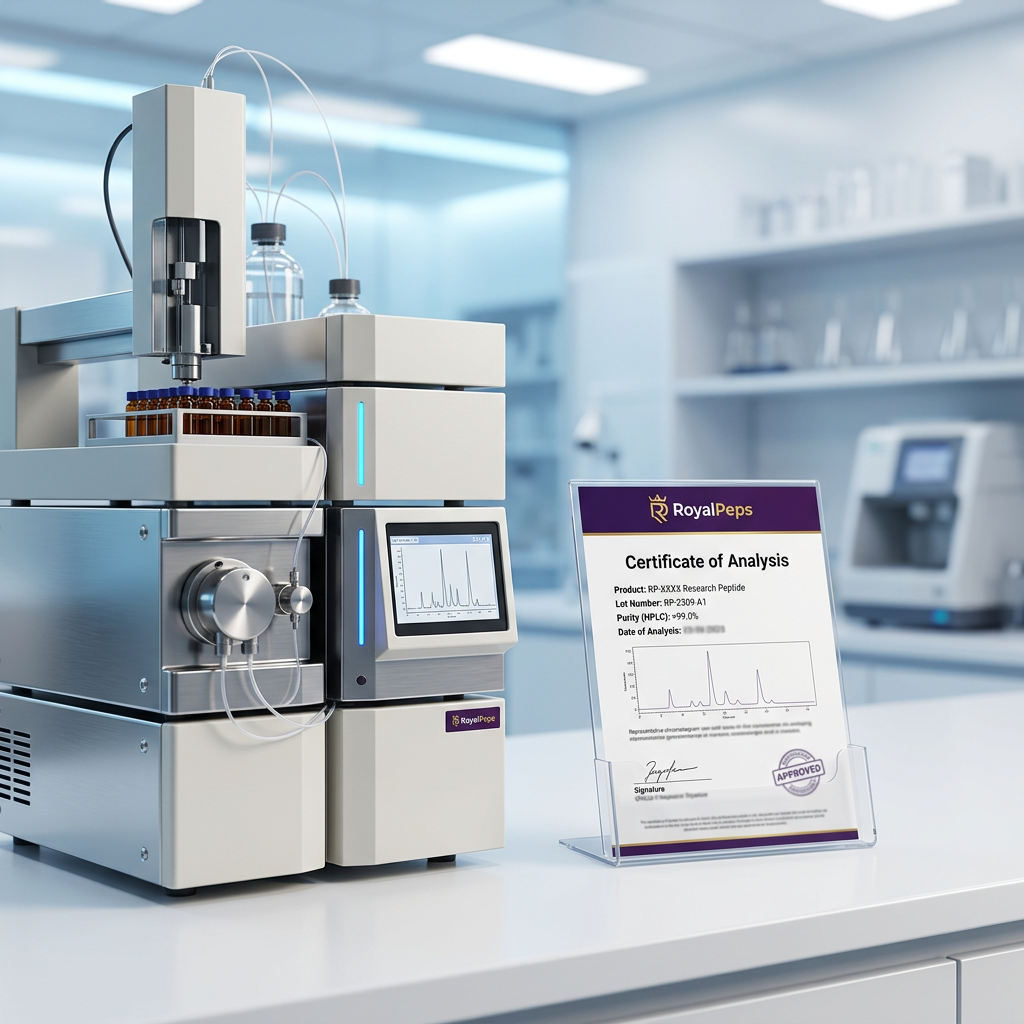
Understanding Peptide Purity: Why Third-Party Testing Is Non-Negotiable
Not all peptides are created equal. Learn how to decode a Certificate of Analysis, what HPLC testing reveals, and why third-party verification is the gold standard for research-grade peptides.
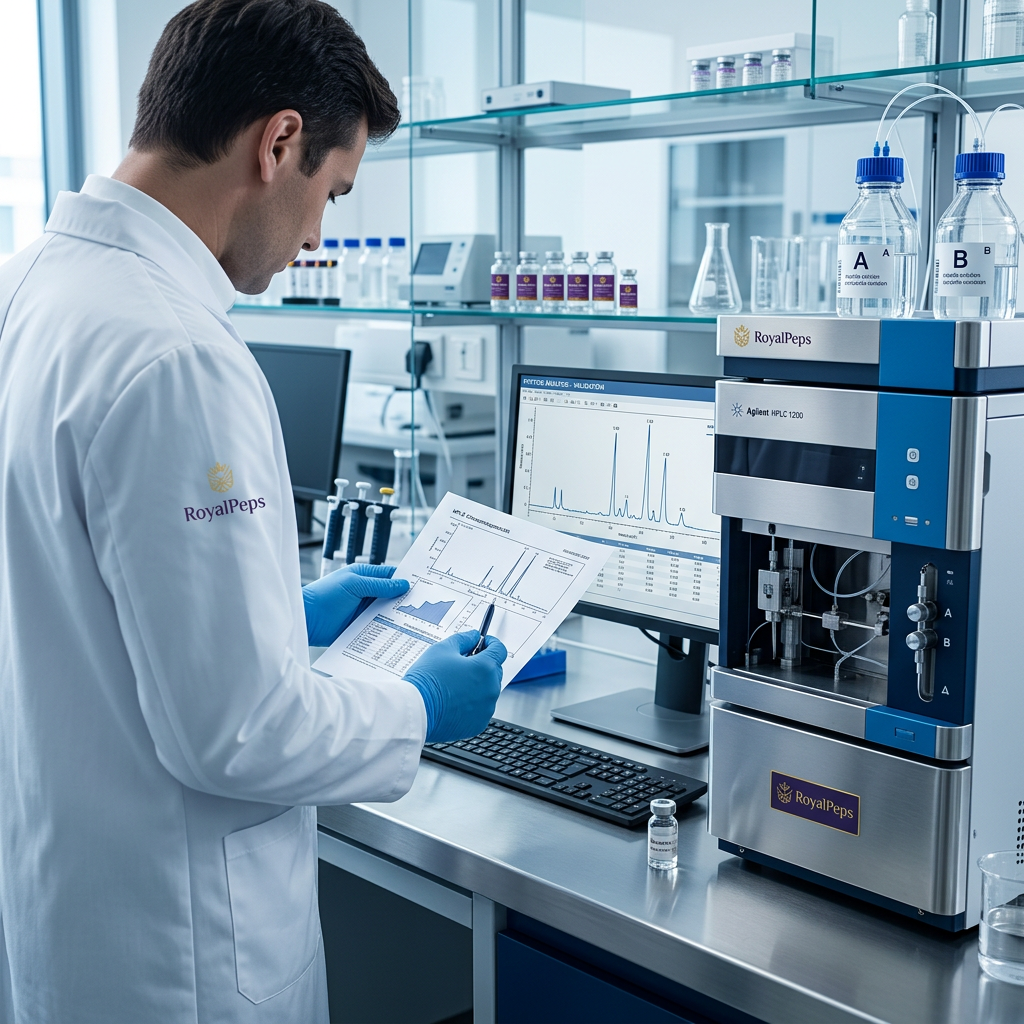
RP Wellness Partners With Independent Lab Verification Program to Set a New Standard in Peptide Transparency
RP Wellness is proud to announce an expanded partnership with an independent lab verification program, bringing enhanced third-party testing and quality assurance to every research-grade peptide we supply. This milestone reinforces our commitment to transparency, accuracy, and researcher confidence.

Research-Grade vs. Pharmaceutical-Grade Peptides: What's the Difference and Why It Matters
Not all peptides are created equal. Learn the key differences between research-grade and pharmaceutical-grade peptides, what purity standards really mean, and how to choose the right grade for your research applications.
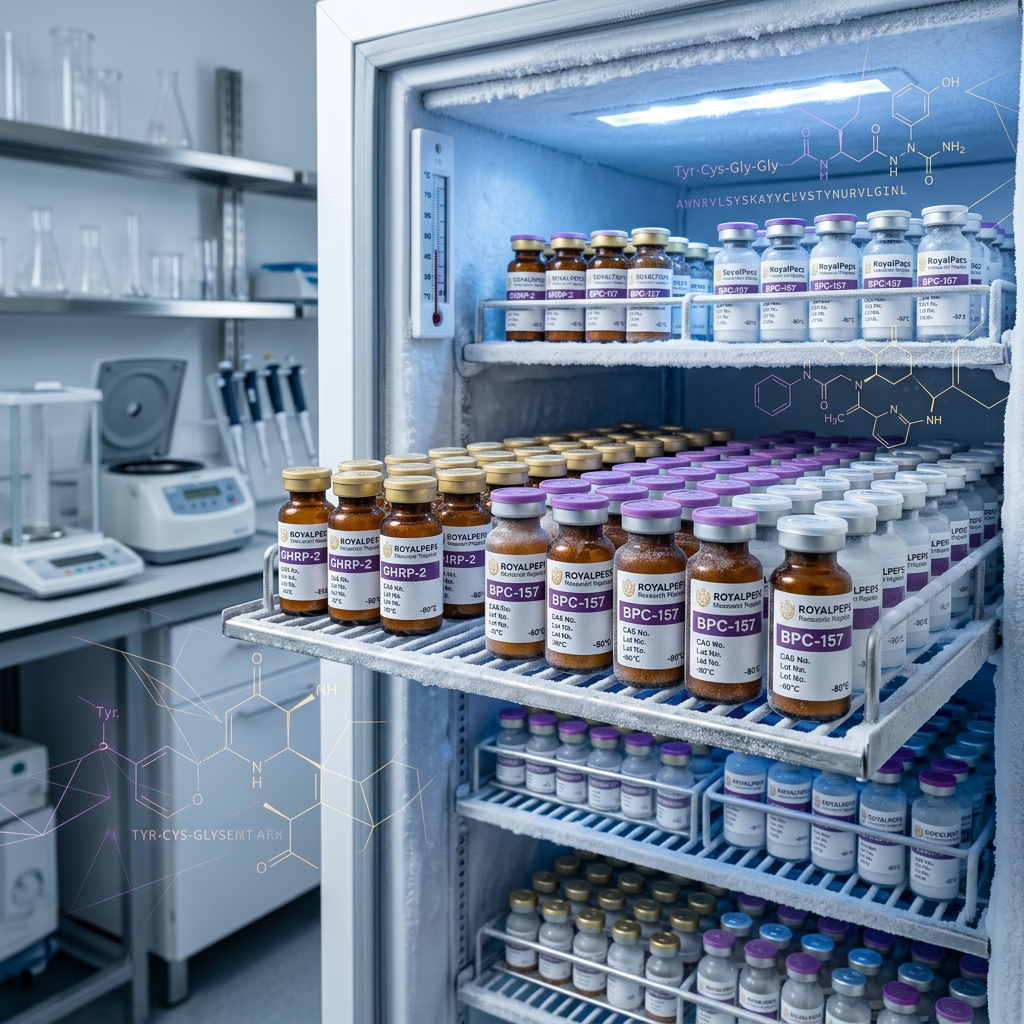
Peptide Stability: How Temperature, Light, and Humidity Affect Your Research Compounds
Peptide degradation is one of the most overlooked variables in research — and it can silently compromise your results. Discover how temperature, light, and humidity impact peptide stability, and learn the optimal storage conditions to protect your compounds.

Dihexa: Mechanistic Insights Into a Potent Angiotensin IV Analog and Its Role in Cognitive Research
Dihexa is a highly potent angiotensin IV analog that has emerged as a significant compound in preclinical neuroscience research, demonstrating remarkable activity at the HGF/Met receptor axis and profound effects on synaptic connectivity. This article reviews the mechanistic basis and preclinical evidence underpinning Dihexa's role in cognitive research.
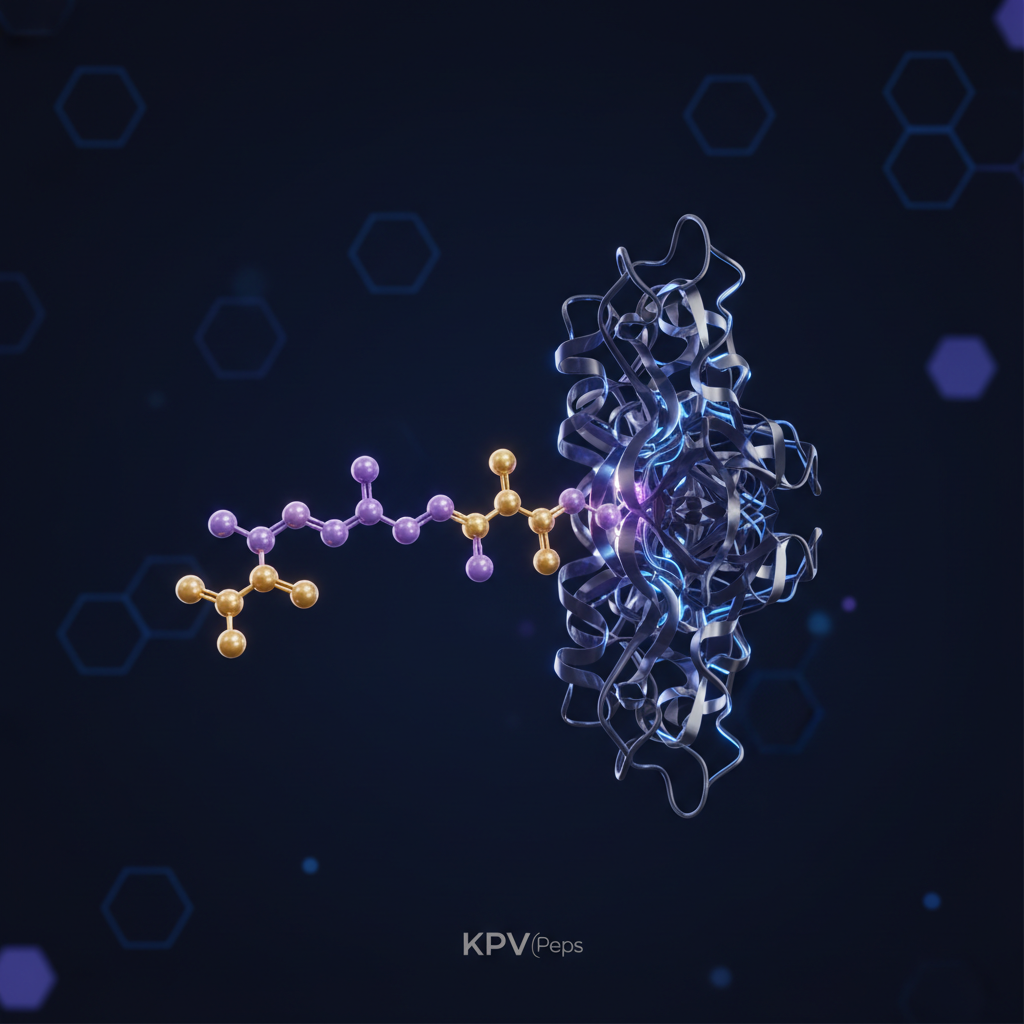
KPV Peptide: Investigating the Anti-Inflammatory Potential of Alpha-MSH C-Terminal Fragments
KPV, the C-terminal tripeptide fragment of alpha-MSH, has emerged as a compelling subject of anti-inflammatory research, demonstrating significant inhibitory effects on the NF-κB signaling cascade in laboratory models. This article reviews the mechanistic evidence supporting KPV's role in inflammatory pathway modulation.
All content is for informational and educational purposes only. Products discussed are intended for in vitro laboratory research only. Not for human consumption.